
Why Arthritis Flares Up in Autumn
Why Arthritis Flares Up in Autumn
So do we. Sign up to our emails to receive news and advice on staying active and exclusive discounts. Plus enjoy 15% off your first order.



When we think about joint pain and changing seasons, most of us brace ourselves for midwinter. We expect the severe cold of January and February to trigger our symptoms. However, our recent research reveals that arthritis flare-ups actually creep in much earlier than expected.
In fact, late autumn, not the depths of winter, is the most common time people notice their arthritis symptoms starting to worsen.
By understanding this seasonal pattern now, you can take proactive steps to manage your arthritis pain and keep moving comfortably through the colder months.
We surveyed 500 people living with arthritis and joint symptoms to understand how seasonal shifts impact their daily lives¹. The results showed a clear pattern:
• Autumn is the main trigger: Nearly half of Brits (45%) notice their arthritis symptoms worsening during autumn, compared to just 23% who point to midwinter. For women specifically, 43% report increased joint stiffness and discomfort by autumn.
• Impact on everyday life: Almost three in ten women (29%) have paused or given up regular walks due to their symptoms, while 21% have put travel plans or days out on hold.
• Workplace impact: Nearly one in five (19%) say seasonal arthritis pain has affected their ability to work.
Too many people are left to figure out the connection between cold, damp weather and joint discomfort on their own. But recognising that arthritis flare-ups begin in autumn allows you to adapt your routine early, rather than waiting until stiffness sets in.
For 52-year-old Fionn from Stockport, the link between colder weather and joint pain was something she had to piece together herself.
Fionn was diagnosed with osteoarthritis in her right knee two years ago after it swelled up following a netball match. Looking back, she had experienced stiffness in her knees and fingers for around four years prior.
"I thought they could fix it and I'd be all right," she said. "It was a bit of a shock finding out it's something I've got to live with for the rest of my life."
"Nobody ever told me it'd be worse in the colder months. I worked it out myself. My knee woke me up almost every night during the colder months, and then in the summer, it wouldn't bother me for months."
Eventually, the toll on her knee forced Fionn to give up playing netball, a group sport she loved and stayed committed to even on freezing winter evenings.
"I'd go out in the cold, in the rain, in the dark, for netball, because I didn't want to let people down," she said. "Whereas I'd never do that for the gym on my own. There's no one to let down but yourself."
"If I'd known years ago that it'd hit hardest in the cold, I'd have planned for it instead of being caught out every winter. Now I try to keep moving through autumn rather than waiting until I seize up completely."
Today, Fionn manages her condition through a combination of gentle strength exercises, regular walking, and low-impact reformer Pilates. She also relies on a knee brace during longer walks to give her joint the extra stability it needs.
"I didn't want to be one of those people who needs a knee support for the rest of their life," she said. "So now I only wear it for longer walks but if I'm honest, it did make my knee feel a lot more secure."
As our physiotherapist Alex Clark points out:
"Arthritis symptoms don't wait for winter to officially begin which is what a lot of people think. For many, autumn is when things start to change. It's understandable to feel stiffer and less comfortable as the weather turns, particularly if colder temperatures mean becoming less active or spending longer sitting indoors. But one of the most important things people can do is try not to let stiffness become a reason to stop moving altogether."
"Gentle, regular movement can help maintain mobility and strength, and activities can be adapted according to how the body feels. The key is finding ways to stay active that are comfortable and sustainable, rather than stopping altogether when symptoms flare."
If you're noticing an increase in joint stiffness or discomfort this season, here are practical ways to protect your joints and keep moving:
• Maintain Gentle, Regular Movement: Avoiding movement altogether can cause joints to stiffen further and surrounding muscles to weaken. Low-impact activities such as swimming, walking, or reformer Pilates help maintain mobility without placing excessive stress on your joints.
• Modify Your Activities: Listening to your body is essential. If a high-impact sport or exercise triggers arthritis flare-ups, adapt the movement rather than giving up entirely. Swap high-impact workouts for lower-impact alternatives that feel comfortable and sustainable.
• Seek Group Motivation: As Fionn found with netball, staying accountable to others can make a huge difference in keeping you active when it's cold outside. Consider joining a local walking group or an exercise class designed for joint health.
• Make Use of Heat Relief: Heat is a simple, effective tool for easing joint stiffness before exercise or after a cold day. Using hot water bottles or heat packs helps relax tight muscles and improves joint flexibility.
• Support Your Joints: Orthopaedic supports provide targeted compression, heat retention, and support to weak, injured, or arthritic joints. Wearing the right brace or support for arthritis can help absorb shock, reduce pressure, and reassure you as you stay active.
Alex Clark added: "Listening to your body is important. If an activity causes significant pain, it's sensible to modify it and seek professional advice where appropriate, but avoiding movement altogether can make it harder to maintain mobility and strength over time."
Whether you're dealing with hand stiffness or knee pain during autumn walks, our range of supports & braces for arthritis are designed to help ease pain and keep you mobile:
• Comfort/Relief Arthritis Gloves: Provide gentle warmth and targeted compression to support circulation, comfort, and mobility. Features two sets of interchangeable, multi-purpose gloves for optimal flexibility, warmth, and ease of movement throughout the day. The gloves also feature a New & Improved Anti-Slip silicone palm grip and comfort fit for versatility during daily activities.
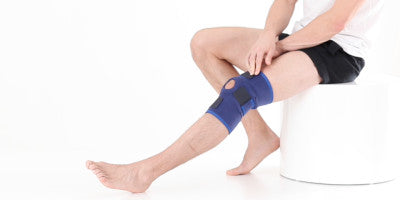
• Stabilized Open Knee Support: Named a Which? Best Buy, this support is designed with interchangeable metal spiral stays on both sides to provide extra stability and reassurance for injured, weak, or arthritic knees.
• Stabilized Wrist and Thumb Brace: Features a rigid splint to stabilise the wrist and hand, alongside a malleable splint for partial thumb immobilisation. Designed with heat-therapeutic neoprene to warm muscles and ease joint stiffness.
• Airflow Supports: Designed to support injured, weak, or arthritic joints during daily, occupational, or sporting activities. Slimline and lightweight, they use Multi-Zone Compression to provide a snug, flexible fit that keeps muscles warm. Available for the wrist, knee, ankle, calf and elbow.
• Open Knee Support: Highly Commended in the MVP Awards, this support combines an open-patella design with a stitched buttress for extra targeted support, while heat-therapeutic neoprene actively warms muscles and joints.
If cold or damp weather is starting to affect your joints, don't wait for midwinter to adjust your routine. By staying proactive, protecting your joints, and keeping gently active through autumn, you can effectively manage arthritis pain and preserve your mobility all year round.
Ready to prepare your joints for the season ahead? Shop Arthritis Supports & Braces now to find the support you need, or for more expert advice visit our ‘Arthritis Help & Advice’ page.
¹ 500 respondents, One Pulse, May 2026. Email info@neo-g.co.uk for more information.


