


How to Stay Fit and Healthy During your Weight Loss Journey
How to Stay Fit and Healthy During your Weight Loss Journey

So do we. Sign up to our emails to receive news and advice on staying active and exclusive discounts. Plus enjoy 15% off your first order.



When we think about losing weight, the focus is often entirely on the number on the scale. However, losing weight quickly doesn't always equate to being healthy. Whether you are hitting your goals through a new diet plan or other methods, the real challenge lies in ensuring your body remains strong, functional, and resilient.
True success isn't just about losing the weight; it’s about a healthy lifestyle shift that prioritises keeping fit and maintaining muscle mass. Here is how you can stay healthy, active, and reduce the chance of injury during your journey.
Rapid weight loss can sometimes lead to nutritional deficiencies. To stay healthy, you must move away from the idea of dieting and focus on healthy, balanced nutrition.
• Eat the Rainbow: Ensure your balanced diet includes all food groups. The main food groups are starchy carbohydrates, fruit and vegetables, proteins, dairy, oils and spreads. For more information on eating a balanced diet, learn about the Eatwell Guide created by the Government. Focus on lean proteins (meats, beans or tofu) to help you grow and maintain your muscle.
• Fuel Your Workouts: You need to be eating healthily enough to sustain physical activity. Skipping meals can lead to fatigue and poor workout routine performance.
• Hydration is Key: Drinking enough water is essential for metabolism and recovery.
To avoid losing progress, you need to get active. Regular exercise is the foundation of a healthy lifestyle and ensures that the weight you lose stays off for good.
• How much exercise per week? The general recommended exercise per week is at least 150 minutes of moderate aerobic activity or 75 minutes of vigorous activity, combined with strength training twice a week.
• Types of exercise: Incorporate a mix of cardio (like brisk walking or cycling) and resistance training. Resistance training is important during weight loss to keep your metabolism high.
• Exercise at home: If you can’t get to the gym, staying fit and healthy at home is easily achievable with bodyweight movements like squats, lunges, and planks. There are also endless workouts online for beginners.
Having a friend or family member exercising with you can really help with motivation, as you can support each other when needed. Our blog ‘Top Group Exercises for Family and Friends’ includes exercise ideas to do with your family that you might not have thought of.
When deciding how many times you should work out a week, aim for a frequency that you can sustain for years, not just weeks. A mix of types of exercise is best:
• Resistance Training: Lifting weights or using resistance bands helps signal to your body that it needs to keep its muscle, even while fat is being lost.
• Low-Impact Cardio: Swimming or cycling are excellent ways of keeping fit without putting excessive strain on your joints. For more low-impact exercises, read our blog ‘5 Low-Impact Ways to Stay Active in Summer’
• Daily Exercise: Never underestimate the power of a 20-minute daily walk. It aids digestion, clears the mind, and contributes to your overall physical activity goals.
The most important thing is to create a workout routine you genuinely love. Try new types of exercises and find sports or activities you get excited to do. That’s the easiest way to improve consistency.
A common pitfall of losing weight quickly is a sudden surge in energy. You might feel lighter and ready to run a 5K, but your joints and tendons may not have caught up yet. Your musculoskeletal system needs time to adapt to new levels of working out.
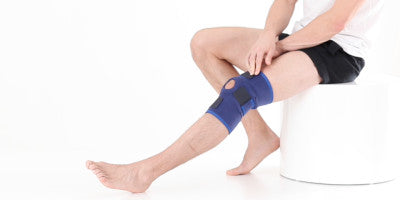
If you’re increasing your daily exercise, your joints may feel the strain. Using an Active support can provide the stability and warmth needed to reduce the likelihood of injury as you transition into a more active life.
When deciding how many times you should work out a week, remember that consistency beats intensity. It is better to engage in 30 minutes of regular exercise five days a week than one long three-hour session that leaves you with an injury.
When the body experiences a significant caloric deficit, it doesn’t just burn fat, it can also break down muscle tissue for energy. This is a common side effect of losing weight quickly. Muscle is metabolically active tissue, meaning it burns calories even when you are resting. Losing it can slow your metabolism, making it harder to keep the weight off in the long term. This is why regular exercise during your weight loss journey is so important.
Staying fit isn't just about what you do in the gym; it's about what you do between sessions.
• Hydration: Water is the primary component of your muscles and synovial (joint) fluid, acting as a natural cushion and lubricant for your skeletal system. Beyond joint health, maintaining a high intake of water offers a variety of benefits that support a healthy lifestyle. Proper hydration acts as a built-in temperature regulator, allowing you to sweat and stay cool during exercise.
From a nutritional perspective, staying hydrated is a powerful tool for appetite management, as the brain often confuses thirst signals with hunger, making it easier to stick to a balanced diet. Additionally, supporting your body with enough water promotes skin elasticity from the inside out, an important consideration when your body composition is changing rapidly. For most adults, general guidelines recommend drinking about 6-8 glasses of fluid a day (around 1.2 to 2 litres), but individual needs vary based on factors like age, body size, activity level, and climate.
• Recovery: A healthy lifestyle includes rest. Overtraining while in a calorie deficit can lead to burnout and injury. Ensure you are getting 7–9 hours of sleep per day to allow your body to recover and repair. You also do not need to exercise every day, especially not in the beginning. When planning your routine, make sure to include rest days.
The term ‘diet’ implies a temporary state that will eventually end. This is why many people regain weight. To achieve lasting success, you must shift your mindset to a permanent healthy lifestyle. This is why focusing on staying fit and healthy while losing weight is important to prevent yo-yo dieting. To help shift your mindset, start building habits and slowly change your routine. Don’t try to change all at once.
It’s also important to remember that having off days is okay, but what’s important is not letting that one day affect your entire week or make you give up.
Focusing on the benefits of physical activity that aren't related to the scale can help maintain motivation:
1. Improved Strength: Weight-bearing regular exercise strengthens your skeleton, which can improve your stability and reduce the chance of health-related problems in the future.
2. Mental Clarity: Exercise is a powerful tool for stress reduction and cognitive function. Regular exercise can improve your mood and help manage stress.
3. Increased Mobility: Being fit allows you to enjoy life more, whether that’s playing with grandchildren or hiking a new trail.
4. Better Sleep: Regular exercise will help improve your sleep quality and duration.
At Neo G, we believe that keeping fit should be a safe and supported experience. If you are starting a new workout routine or increasing your recommended weekly exercise, listen to your body.
If you feel a niggle in your knee or a strain in your ankle, don't stop moving, just move smarter. Our range of supports & braces, including Active supports for sports and VCS for recovery, are designed to help you stay active and keep your momentum going. If you struggle with a chronic condition, such as arthritis, our blog ‘Spring into Activity with These Exercise Tips’ offers guidance on how to get started with exercise.


